The Living Pantry: Foraged Flavors of Southern Tuscany
Tracing the revival of ancient grain varieties, unadulterated cold-pressed olive oils, and seasonal communal tables in the Val d'Orcia.
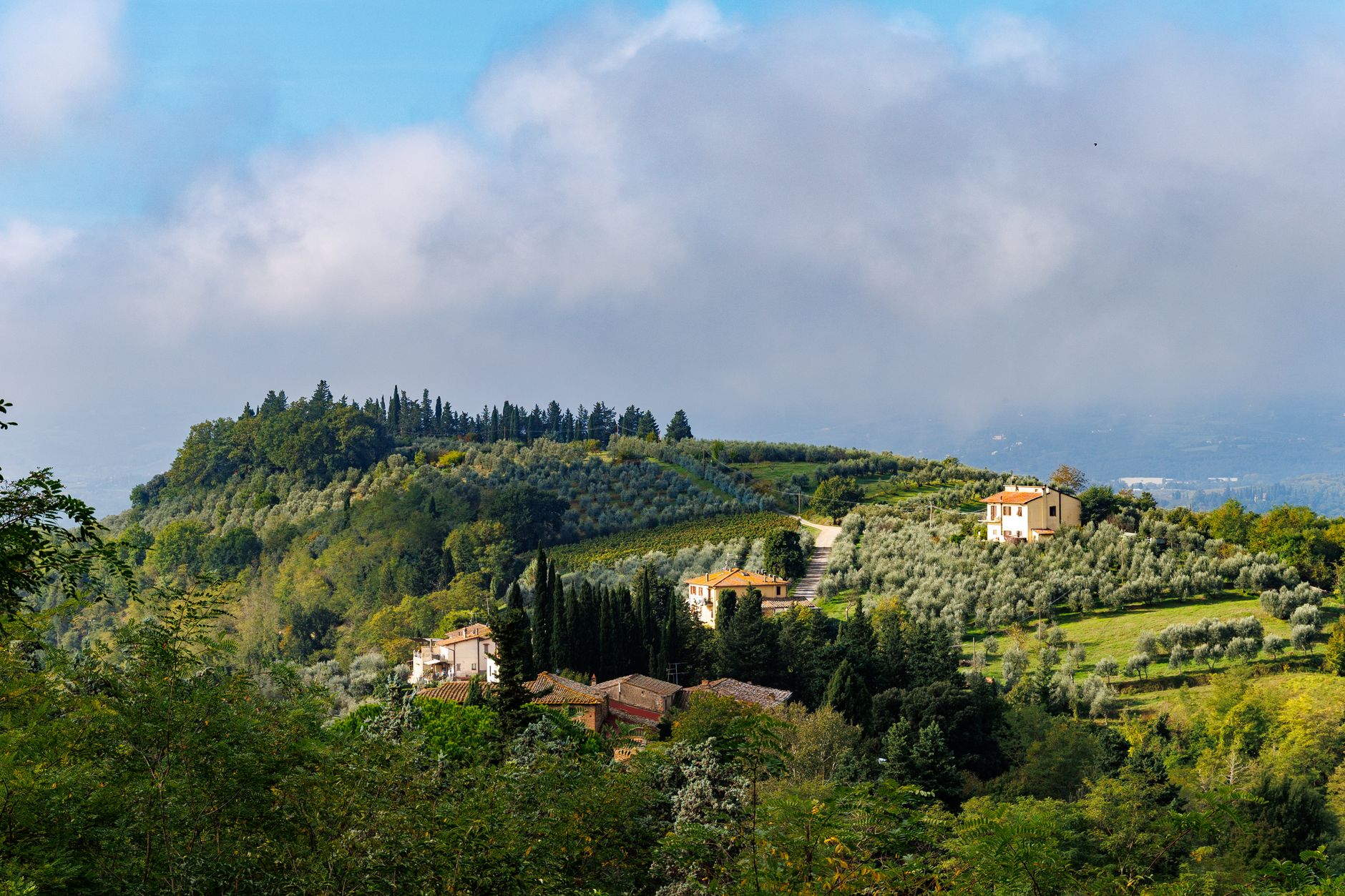
In the late autumn, the clay hills of southern Tuscany transform into ripples of ochre, umber, and silvery olive foliage. The morning mist gathers in the hollows around Pienza, carrying with it the unmistakable pungent aroma of freshly pressed olive oil and burning vine trimmings.
The Heritage Grain Revival
While supermarket pasta relies on industrial durum wheat varieties hybridized for high yield and machine processing, a dedicated network of young Tuscan farmers is reintroducing ancient grains like Senatore Cappelli and Farro monococco. Ground slowly on natural stone mills, this flour preserves the wheat germ, imparting a nutty sweetness and complex mineral depth entirely lost in modern commercial milling.
“A meal prepared with honest flour and young olive oil is not merely fuel; it is our tactile connection to three thousand years of Mediterranean soil.”
At Podere San Giuliano, we sat down to lunch at an oak trestle table positioned in the courtyard. The meal was straightforward: handmade pici pasta tossed with wild fennel, young garlic, and oil pressed less than forty-eight hours prior at the village cooperativa. The peppery sting at the back of the throat is the hallmark of high-polyphenol fruit harvested before full ripeness.
Hospitality Without Artifice
True Italian hospitality does not exist in velvet dining salons; it thrives in the warmth of farmhouse kitchens where travelers are greeted not as consumers, but as guests sharing the seasonal abundance. Here, time slows to the duration of an espresso conversation, punctuated by the clinking of ceramic carafes.
Agriturismo Insights
- Harvest Windows: October and November offer olive pressing; late spring brings wild asparagus and fresh sheep pecorino.
- Etiquette: Never request grated cheese on dishes containing delicate fresh truffles or seafood broths.
- Stay: Book certified agriturismi that cultivate at least half of their served ingredients directly on the estate.
As darkness descends over the cypress-lined lanes, we leave with a reminder: simplicity is the ultimate sophistication. When ingredients are produced with love and integrity, very little embellishment is required.