The Rhythm of Kyoto: A Meditation on Craft & Timber
Beyond the bustling storefronts of modern central districts lies a quiet world governed by joinery, aged tea leaves, and rain falling on stone.
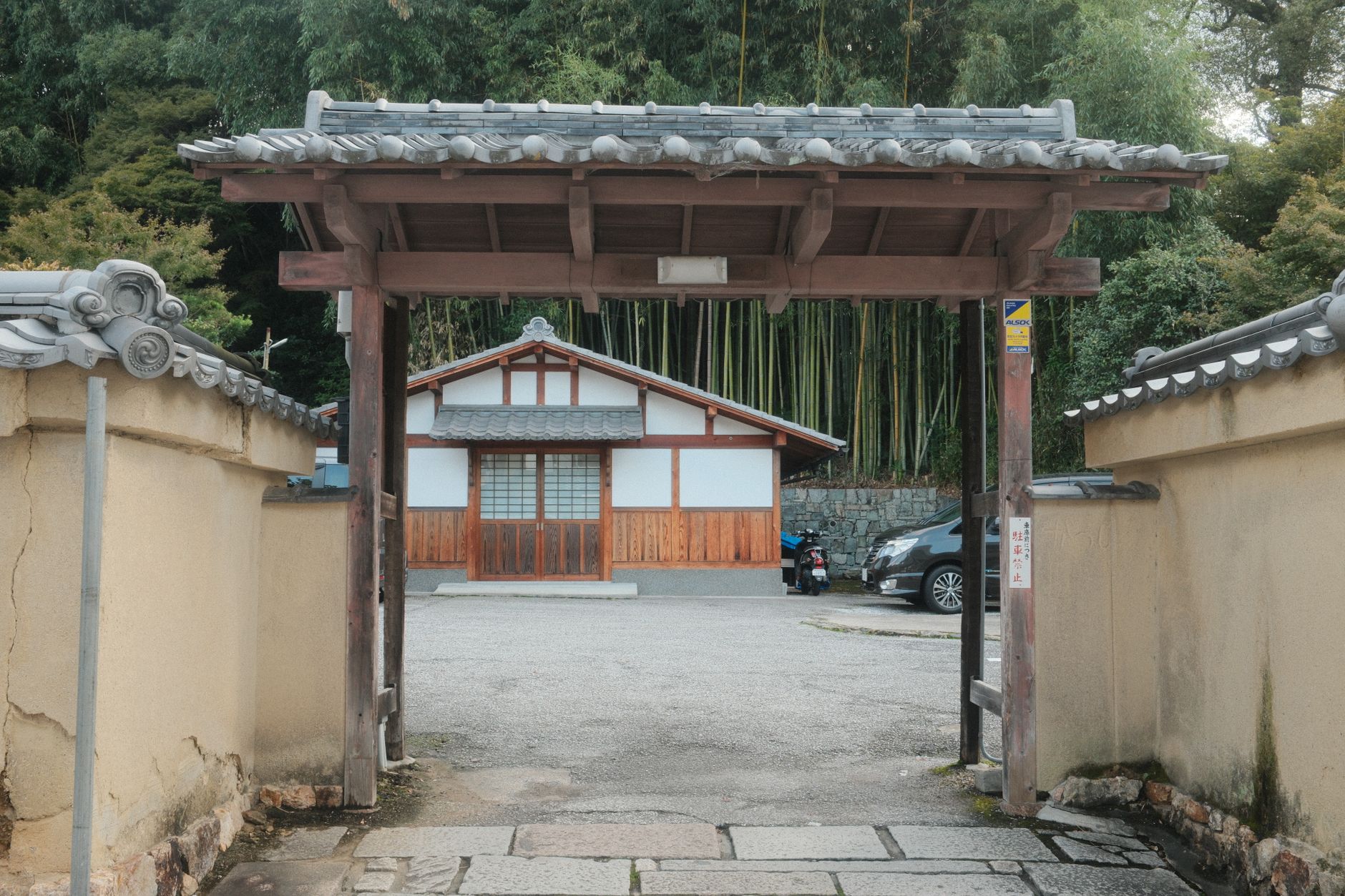
To arrive in Kyoto in the early morning is to enter an acoustic chamber constructed entirely of cedar, clay tile, and silence. While mass tourism routinely concentrates around the gilded pavilions of Kinkaku-ji, the true vitality of the ancient imperial capital resides in the quiet residential alleys of Nishijin and along the northern reaches of the Kamo River.
The Geometry of Sukiya Architecture
In traditional Japanese residential architecture, buildings are not placed upon the earth as defiant monuments; rather, they are woven into the soil. Sliding shoji screens blur the distinction between interior living rooms and private moss gardens, creating a seasonal rhythm that dictates daily life. The scent of seasoned Hinoki cypress lingers in the damp morning air, releasing volatile oils that calm the pulse.
“The wood does not die when it is felled. In the hands of a dedicated carpenter, it begins its second life, responding to humidity and cold for centuries.”
We spent several mornings in the workshop of Master Morimoto, a fifth-generation woodworker whose family has restored shrine beams for over two hundred years. Without using a single metal nail, his joinery employs interlocking mortise-and-tenon joints that allow entire timber frames to flex during seismic tremors without fracturing.
The Tea Ceremony as Slow Meditation
In the tea quarters of Urasenke, the preparation of a single bowl of matcha requires fifteen discrete physical gestures, each executed with unhurried economy. Here, luxury is defined not by ornamentation or excess, but by the complete absence of haste. Water boils over charcoal in an iron kettle; the steam rises through bamboo blinds; the outside world simply ceases to exist.
Practical Traveler Field Notes
- Best Transit: Rent an unpowered city bicycle to navigate the flat, narrow laneways of Kamigyo-ku.
- Timing: Late November brings intense maple colors, but early May offers quiet green moss and fewer visitors.
- Accommodations: Prioritize heritage Machiya (townhouses) managed by local preservation trusts.
As dusk settles over the Higashiyama hills, paper lanterns flicker along stone walls. Kyoto reminds us that modern velocity is a choice, not an obligation. In the patient preservation of craft, the city offers an antidote to the distractions of the contemporary era.